


Introduction
A LOLER inspection for lifting accessories is not on the same cycle as a chain block. That single rule catches more duty holders out than any other.
Most people assume everything under LOLER is on a 12 month cycle. That is half right. Chain blocks, lever hoists, electric hoists and cranes are on 12 months. The slings, shackles, hooks and eyebolts hanging off them are not. They are every 6 months.
It is a small detail with a real cost. An audit turns up an accessory that has not seen an examiner in 11 months, the equipment is grounded until it is sorted, work stops, paperwork is short, and the certifier is back on site.
This guide covers the 6 month rule. What counts as a lifting accessory. What an examiner checks. And how to make sure your records do not have the blind spot that catches everyone out. If you are new to LOLER, our LOLER inspection guide is the place to start.
The Two LOLER Rules at a Glance
Under LOLER, lifting kit is split into two main categories with different inspection schedules. Get them mixed up and you fail an audit.
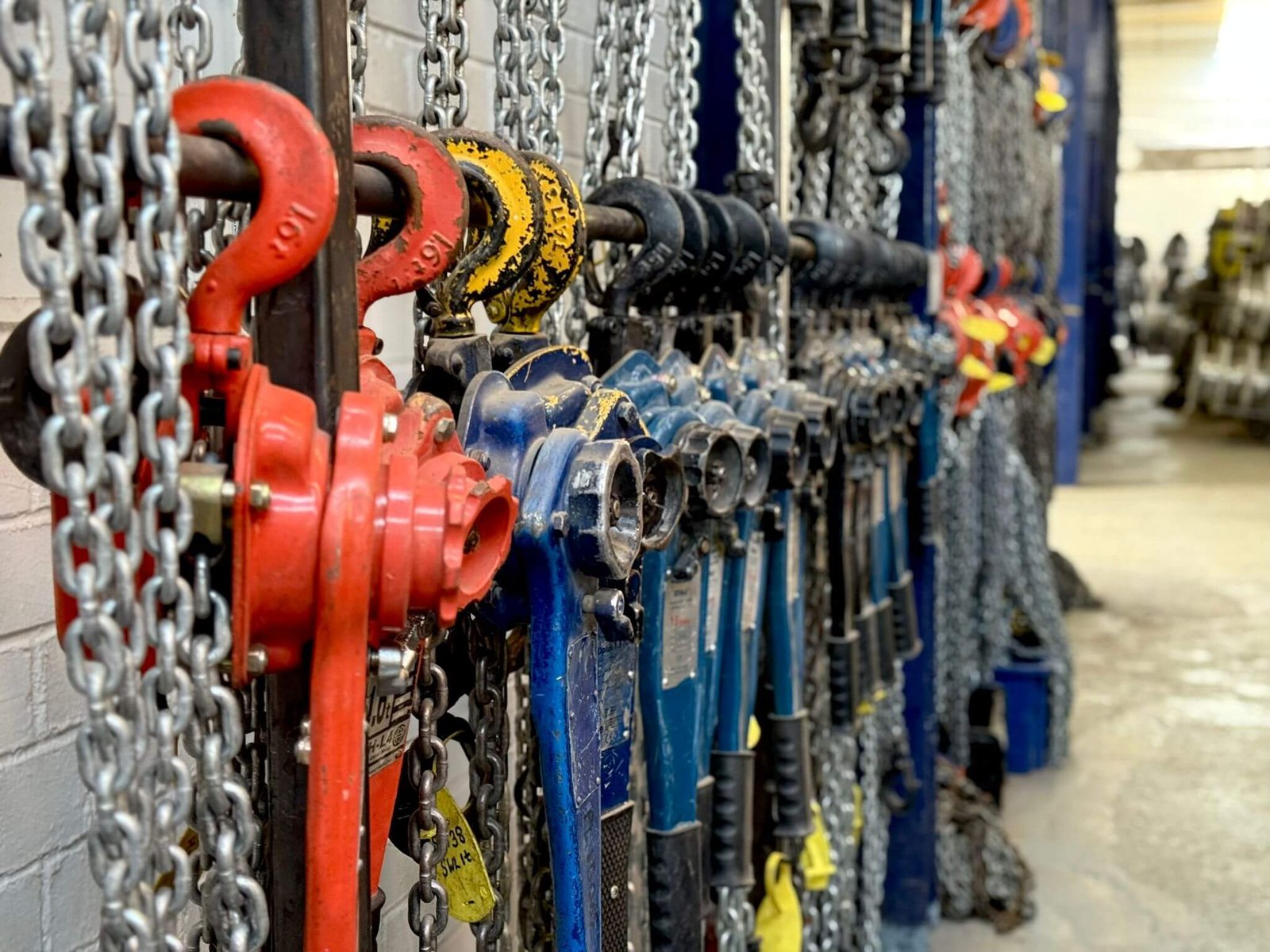
Lifting equipment is examined at least every 12 months. This is anything that does the lifting itself:
- Chain blocks
- Lever hoists
- Electric and air hoists
- Wire rope hoists (Man-riding applications are 6 months)
- Engin hoists
Lifting accessories are examined at least every 6 months. This is anything that goes between the equipment and the load:
- Chain slings
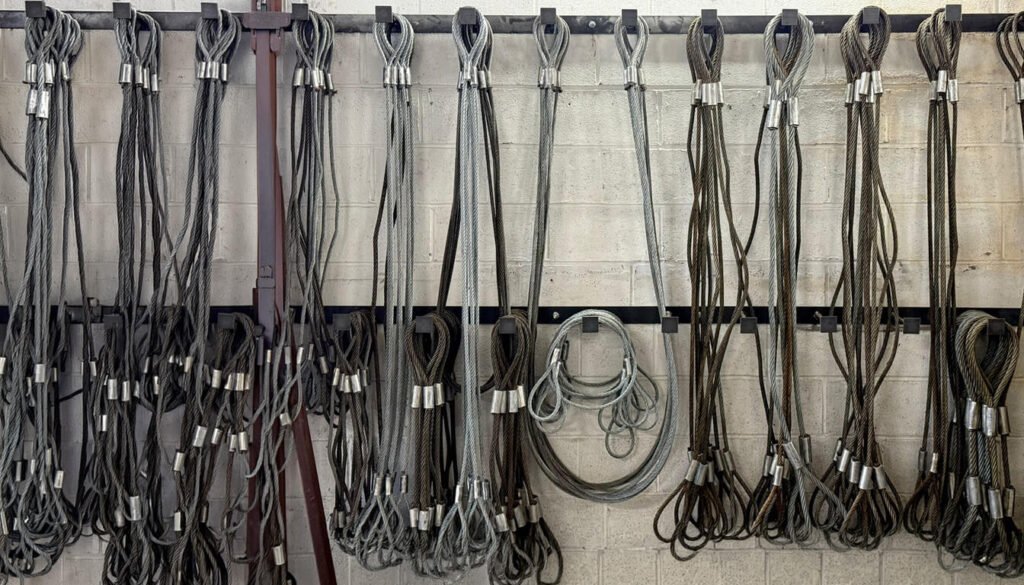
- Wire rope slings
- Webbing and round slings
- Shackles
- Eyebolts and master links
- Standalone hooks
- Spreader beams
Equipment used to lift people, such as passenger lifts or man-riding cages, is also every 6 months. We are not covering that here, but it is worth knowing it sits on the shorter cycle alongside the accessories.
The 12 month and 6 month windows are minimums. A risk assessment, a tough environment, or a written examination scheme can shorten either one. They cannot be made longer.
For more detail on the timing side, see our guide on LOLER inspection frequency. The full regulatory wording is in the HSE LOLER guidance.
What Actually Counts as a Lifting Accessory
This is what a LOLER inspection for lifting accessories actually covers. If you are auditing your inventory for the 6 month rule, here is what to look for.
Slings. Anything used to wrap, cradle or attach the load to the lifting equipment. There are four main types:
- Chain slings, made of welded steel links, usually with master links and hooks at the ends.
- Wire rope slings, made of multi-strand wire rope with thimbles or hooks at the ends.
- Webbing slings, flat woven polyester or nylon, usually colour-coded by capacity.
- Round slings, soft tubular endless loops, also colour-coded.
Shackles. U-shaped or D-shaped steel connectors, closed with a screw pin or a bolt-and-cotter. Used to join chains, slings or fittings to the load or to the lifting equipment.
Eyebolts. Threaded bolts with a forged loop at the head. Used to provide a fixed lifting point on a load.
Master links and master link assemblies. Large oval steel rings used to gather sling legs into a single attachment point at the top of a multi-leg sling.
Standalone hooks. Lifting hooks used on their own, fitted to the end of a sling, a chain or a rope. The distinction between these and the hook on a chain block is the most common point of confusion, and we cover it in the next section.
Lifting beams used as an accessory. Spreader beams, equaliser beams and similar bars that sit between the lifting equipment and the load to spread or position lift points. When used this way, they fall under the accessory rule.
If it sits between the load and the lifting equipment, it is almost certainly an accessory and falls under the 6 month rule. Lifting accessories are also covered by PUWER, the wider rules for all work equipment. Our LOLER and PUWER guide explains how the two regulations work together.
The Hook Question Explained
The same hook can fall under two different rules. This is the bit that catches people out more than anything else, so it is worth taking slowly.
If a hook is built into a piece of lifting equipment, it is part of that equipment. It gets checked at the 12 month thorough examination along with the rest of the unit. You do not need to inspect it separately at 6 months.
If a hook is used on its own, fitted to a sling or used as a connector, it is a lifting accessory. It needs its own 6 monthly inspection, even if the kit it is attached to is on the 12 month cycle.
Same metal hook. Different rule. The deciding factor is how it is used.
A practical example. A 2-tonne chain block has a top hook and a bottom hook, both built in. Both go through the 12 month thorough examination with the block. They do not need a separate 6 monthly check. But the swivel hook on the end of the chain sling you attach to the bottom hook is a standalone accessory. That one is every 6 months.
It is one of the most common reasons accessories slip through the gaps at audit. Someone has assumed the hooks on their slings are covered by the inspection of the chain block they hang under. They are not. They are separate items in their own right.
For more on what gets checked at the 12 month inspection of the block itself, see our chain block inspection guide.
What an Examiner Looks at on a Lifting Accessory
A LOLER inspection for lifting accessories is more thorough than the daily pre-use check the operator should already be doing. The examiner is looking for everything that suggests the accessory has been weakened, damaged or pushed beyond what it was made for.
The exact checks vary by accessory type, but the common ground covers:
- Stretch or elongation, especially on chains, master links and shackles
- Wear, including thinning of chain links, abrasion on wire ropes and worn seats on hooks
- Cuts, nicks, gouges, broken wires, snagged strands, cut webbing or punctured round slings
- Distortion, including bent links, opened hook throats and twisted shackles
- Cracks, especially at high-stress points like hook throats and shackle pins
- Heat damage, burns, chemical attack or UV damage on textile slings
- Missing or non-working safety latches on standalone hooks
- Damaged or unreadable identification tags
- Missing or unreadable Safe Working Load markings
- Unauthorised modifications or repairs
The examiner also checks the accessory against its certificate. If the ID on the kit does not match a current Report of Thorough Examination, the accessory cannot stay in service.
Most lifting departments also run an internal colour code system on top of this. A different colour each quarter, painted on the tag or applied as tape, so anyone on site can see at a glance whether an accessory is in date. That is good practice rather than a LOLER rule, but examiners and auditors notice when it is in place.
Remember, this is all on top of the daily pre-use check. The operator should already be running a quick visual check on every accessory before each lift. The 6 monthly examination is the formal backstop, not the only line of defence.
For a fuller breakdown of what a competent person works through, see our LOLER inspection checklist guide.
What to do if an Accessory Fails
If an accessory fails a LOLER inspection, the rule is simple. Stop using it. The immediate steps are the same as for any failed LOLER inspection, though the repair-or-replace decision is usually shorter for accessories.
Take it out of service straight away. Tag it clearly so nobody picks it up by mistake. Quarantine it somewhere separate from your in-service kit. Do not be tempted to give it one more lift, however small the load looks.
From there, the path is shorter than it is for lifting equipment. Most lifting accessories cannot be repaired. A textile sling with cuts or chemical damage is finished. A worn or stretched chain sling, a deformed shackle, a spread hook, all of them get replaced, not patched up. Welding, bending back or improvising is not allowed.
A few accessories can be brought back into service by replacing components, such as swapping a damaged link in a chain sling. But only under the original manufacturer’s authority, by a competent person, and only with another full thorough examination before it goes back into use.
When in doubt, replace.
To stop it ever sneaking back into use, many sites physically destroy a failed accessory once they are sure they have the right item in hand. A cut, a bent ring, a marker pen across the tag, enough to make it obvious the accessory is dead.
And the paperwork. Record the failure, the date and the action taken on your inspection log. Source the replacement from a supplier who provides a current certificate with the new kit, so you start the next 6 month cycle correctly.
Why Duty Holders Get Caught Out
The 6 month rule does not get missed because people do not care. It gets missed because the way lifting kit is bought, stored and tracked makes it easy to overlook. A few common patterns:
The 12 month assumption. Someone in the chain assumes all LOLER inspections are annual, because that is the rule that applies to most of the equipment. The accessories quietly slide onto the same schedule, and 6 months drifts into 12 without anyone noticing until an audit.
Kits tracked as one item. A chain block bought as a set with chain slings and shackles often ends up on a single inspection record. When the chain block’s 12 month examination comes round, the accessories get a tick at the same time, even though they were due 6 months earlier.
Hire dates that do not line up. When you hire equipment with accessories attached, the certificates may have been issued at different times. The chain block could be 4 months into its 12 month cycle while the sling is already at month 5 of its 6 month cycle. If the hire runs across the next due date, the accessory needs re-examining mid-job, not at the end.
Slings out of sight. Slings, shackles and eyebolts often live in toolboxes, on shelves or in lockable cabinets. They are not on display like a hoist hanging on a wall. Things you do not see every day are easier to forget.
No per-item records. When kit is logged at job level or site level rather than item level, accessories with their own ID numbers fall through the cracks. Two slings of the same capacity look identical until you check the tags.
The fix for all of this is the same. Audit your lifting accessories item by item, with a record per piece, not per kit or per job. The inspection date and certificate should be traceable to the ID stamped on the accessory itself. If you cannot match the kit to its paperwork in 30 seconds, the system is not tight enough.